Exploring the Versatility of the Japanese Cuisine Icon
The Japanese Cuisine Icon is a versatile and visually appealing symbol that has become increasingly popular in various design and branding contexts. This icon, often seen as part of a restaurant collection, embodies the elegance and tradition of Japanese culinary arts. Whether you're a designer, a restaurateur, or a food enthusiast, understanding the significance and applications of the Japanese Cuisine Icon can enhance your projects and communications.
Understanding the Japanese Cuisine Icon
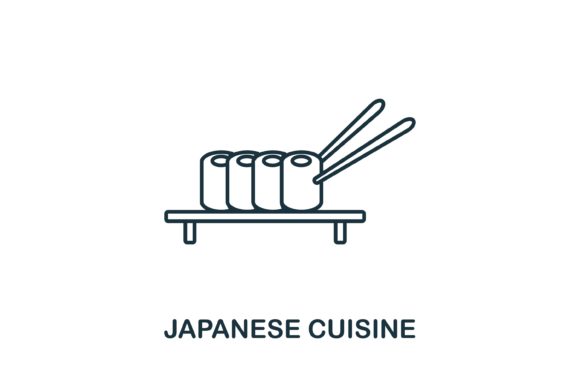
The Japanese Cuisine Icon typically features elements that are quintessentially Japanese, such as chopsticks, sushi, or traditional bowls. These icons are designed to be both aesthetically pleasing and easily recognizable, making them ideal for a wide range of uses, from web design to print media.
One of the key features of the Japanese Cuisine Icon is its simplicity. The clean lines and minimalistic design not only reflect the principles of Japanese aesthetics but also make it highly adaptable. This simplicity allows the icon to blend seamlessly into various design contexts without overwhelming the overall composition.
Variety of Formats for Easy Integration
When you choose to use the Japanese Cuisine Icon, you get access to multiple file formats, including EPS, JPG, AI, and SVG. Each format serves a specific purpose:
- EPS (Encapsulated PostScript): Ideal for high-quality printing and scalable vector graphics. It's perfect for professional designs where precision and clarity are paramount.
- JPG (Joint Photographic Experts Group): A widely used format for images, suitable for web and digital displays. It offers good quality with a smaller file size, making it easy to share and load quickly.
- AI (Adobe Illustrator): Perfect for editing and manipulating vector graphics. This format is essential for designers who need to make adjustments or create variations of the icon.
- SVG (Scalable Vector Graphics): Highly versatile for web and mobile applications. SVGs are resolution-independent, meaning they look sharp at any size, which is particularly useful for responsive web design.
Practical Applications of the Japanese Cuisine Icon
The Japanese Cuisine Icon is not just a pretty picture; it serves several practical purposes across different industries and projects. Here are some ways you can incorporate this icon into your work:
Web Design and Infographics
In the digital age, the Japanese Cuisine Icon is a valuable asset for web designers and content creators. Its clean, line-based design makes it an excellent choice for infographics, where visual clarity is crucial. For instance, if you're creating an infographic about the history of Japanese cuisine, the icon can serve as a central visual element, tying together the narrative and data points.
Additionally, the Japanese Cuisine Icon can be used in website headers, footers, or as part of a navigation menu. Its simplicity ensures that it doesn't distract from the main content while still adding a touch of cultural authenticity.
Print Media and Packaging
For print media, the Japanese Cuisine Icon is equally versatile. Whether you're designing a menu for a Japanese restaurant, a brochure for a culinary tour, or packaging for a new product, the icon can add a professional and authentic feel. The EPS and AI formats are particularly useful here, as they allow for high-resolution printing and easy customization.
Consider using the Japanese Cuisine Icon on the cover of a cookbook or as a watermark on recipe cards. Its clean lines and traditional elements will resonate with those who appreciate the artistry of Japanese cooking.
Branding and Marketing
In the realm of branding and marketing, the Japanese Cuisine Icon can be a powerful tool. It can be used to create a strong, recognizable brand identity for a Japanese restaurant or a line of Japanese-inspired products. The icon can be integrated into logos, business cards, and promotional materials, helping to establish a cohesive and memorable brand image.
For example, a Japanese tea company might use the Japanese Cuisine Icon in their logo, combining it with other elements like a tea leaf or a teapot. This creates a visual story that immediately communicates the brand's focus and heritage.
Choosing the Right Japanese Cuisine Icon
When selecting a Japanese Cuisine Icon, there are several factors to consider to ensure it meets your needs and aligns with your project's goals. Here are some key considerations:
- Purpose and Context: Determine how you plan to use the icon. Is it for a website, a printed menu, or a product label? The context will guide your choice of format and style.
- Aesthetic Fit: Choose an icon that complements your existing design elements. If your brand has a modern, minimalist aesthetic, opt for a simple, clean-lined icon. For a more traditional or rustic feel, consider an icon with more intricate details.
- Scalability and Editability: Ensure the icon is available in vector formats (EPS, AI, SVG) if you need to scale it up or down without losing quality. Additionally, having editable files allows for customization to better fit your specific needs.
- Licensing and Usage Rights: Always check the licensing terms to ensure you have the right to use the icon in the way you intend. Some icons may have restrictions on commercial use or require additional licenses.
Final Thoughts
The Japanese Cuisine Icon is a valuable and versatile design element that can enhance a wide range of projects. Its clean, traditional design and availability in multiple formats make it a go-to choice for designers, marketers, and anyone looking to add a touch of Japanese culture to their work. By carefully considering your needs and choosing the right icon, you can create a compelling and authentic visual experience that resonates with your audience.