Understanding the Versatility and Utility of Dress Icon in Modern Design
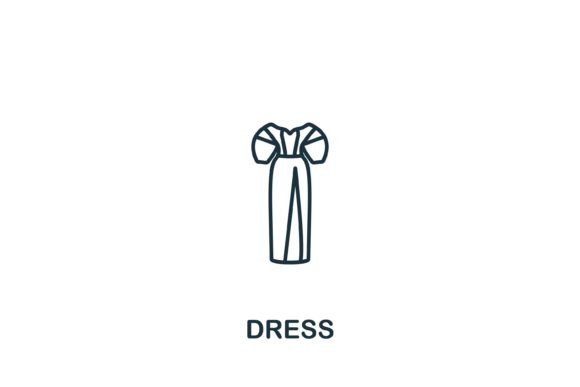
The Dress Icon is a simple yet powerful symbol that has become a staple in the world of design, particularly for web and graphic projects. This icon, often depicted as a minimalist line drawing of a dress, serves as a versatile and easily recognizable element, making it an ideal choice for a wide range of applications from templates to infographics.
What Makes Dress Icon Stand Out?
The primary appeal of the Dress Icon lies in its simplicity and clarity. Unlike more detailed or complex icons, this symbol uses clean lines and minimal detail, which makes it highly adaptable and easy to integrate into various design contexts. Its straightforward design ensures that it can be used across different platforms without losing its impact or meaning.
Comparing Dress Icon with Other Symbol Options
When compared to other clothing-related icons, the Dress Icon offers a unique balance of simplicity and recognizability. For instance, while some icons might focus on specific types of clothing (like a t-shirt or a jacket), the Dress Icon is more universally applicable, representing a broad category of apparel. This versatility means it can be used in a wider range of designs, from fashion blogs to retail websites, without needing to change or adapt the icon significantly.
Strengths and Tradeoffs of Using Dress Icon
One of the key strengths of the Dress Icon is its ease of use and integration. It comes in multiple file formats (EPS, JPG, AI, SVG), each suited for different purposes. For example, the vector formats (EPS, AI, SVG) are perfect for scalable graphics, ensuring that the icon looks sharp and clear at any size, whether it's a small button on a mobile app or a large banner for a website. The JPG format, on the other hand, is ideal for quick, raster-based uses where high scalability isn't required.
However, the simplicity of the Dress Icon can also be a limitation. In scenarios where a more detailed or specific representation is needed—such as in a detailed product catalog or a specialized fashion magazine—the Dress Icon might not provide enough detail. In such cases, designers may need to consider more intricate icons or even custom illustrations.
Best-Fit Situations for Dress Icon
The Dress Icon is particularly well-suited for situations where a general, easily recognizable symbol is needed. For example, it works exceptionally well in:
- E-commerce sites: As a universal symbol for women's clothing sections, it helps users quickly identify and navigate to the relevant part of the site.
- Infographics: In visual representations of data, the Dress Icon can be used to represent a category of products or to highlight specific points in a flowchart.
- Templates and themes: For pre-designed templates, the Dress Icon can serve as a placeholder or a default option, which can be easily replaced or customized as needed.
When to Consider Alternatives
While the Dress Icon is a versatile and effective choice, there are situations where other options might be more appropriate. For instance, if your project requires a more specific or detailed representation, such as a particular style of dress or a specific brand, you might need to look for more specialized icons or create custom artwork. Additionally, in contexts where a more artistic or stylized approach is desired, the Dress Icon might feel too basic, and a more elaborate or decorative icon could be a better fit.
Conclusion: Making the Right Choice
In summary, the Dress Icon is a valuable and flexible tool for designers, offering a simple, clear, and widely recognizable symbol that can be used in a variety of design contexts. Its ease of use, multiple file formats, and broad applicability make it a strong choice for many projects. However, understanding when to use it and when to consider alternatives is crucial for achieving the best results. By carefully considering the needs of your project and the message you want to convey, you can make an informed decision about whether the Dress Icon is the right choice for you.